

Anthropic and OpenAI Are Racing to Go Public: What the 2026 AI IPO Wave Means for Builders
Anthropic and OpenAI have both filed for IPOs in 2026. Here's what the AI industry's biggest funding race means for builders, agencies, and businesses.
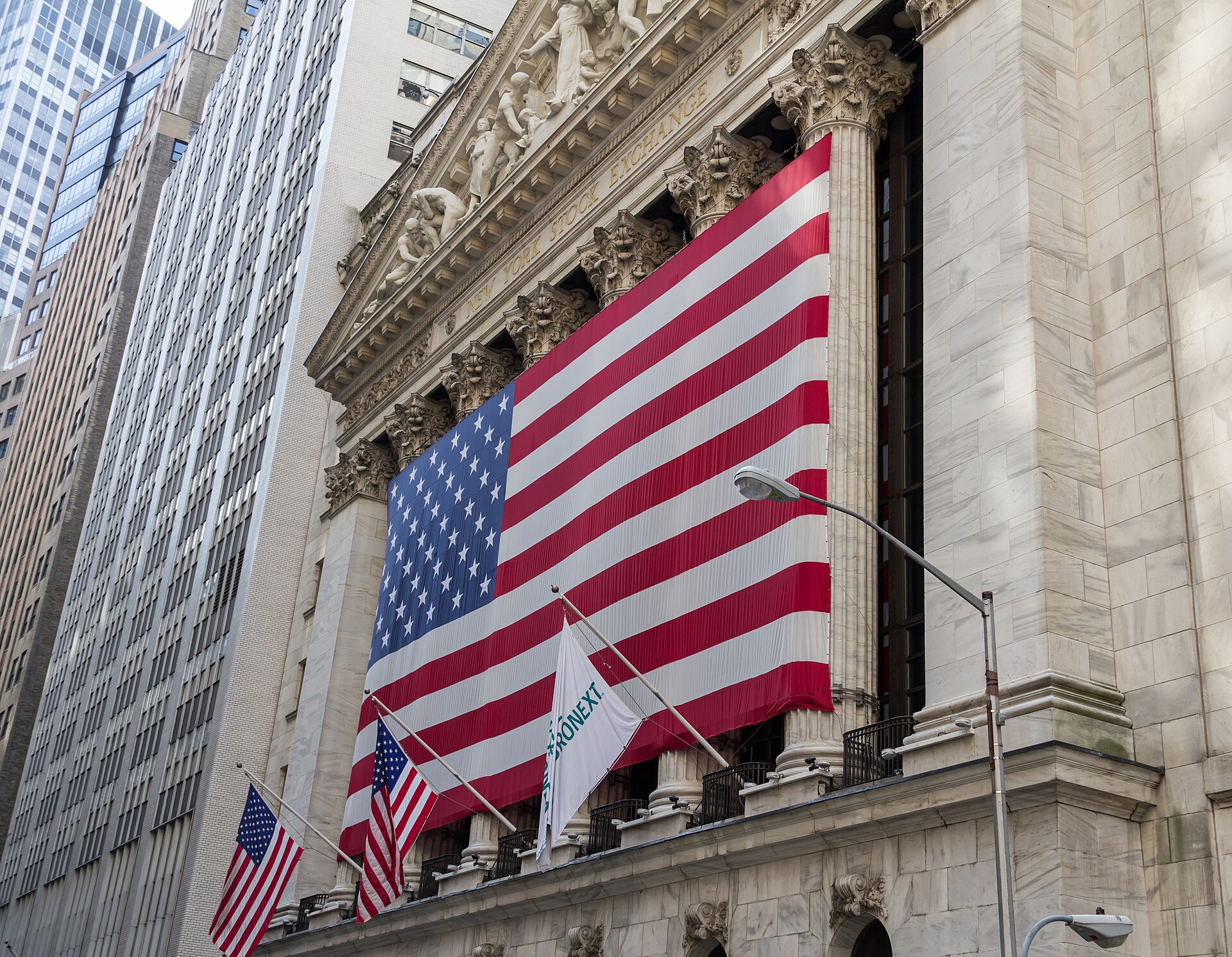
For the first time, both leading frontier AI labs are on a public-markets track at the same time. Anthropic filed confidentially for an IPO first, and OpenAI followed about a week later, reportedly targeting a valuation as high as $1 trillion. If you build on either platform — or compete with companies that do — this is the story to understand right now.
Anthropic's confidential filing came with a detail that stood out to analysts: the company is projecting roughly $10.9 billion in quarterly revenue and says it has reached its first operating profit. That matters because most frontier AI labs have been burning cash at a staggering rate to train and serve models. A profitable Anthropic suggests Claude's enterprise and API business has matured into a real, durable revenue engine rather than a subsidized growth experiment.
For agencies and developers already building on Claude, this is a reassuring signal. A path to profitability reduces the risk of sudden pricing shocks, abrupt product sunsetting, or a forced acquisition — all things that have rattled smaller AI vendors over the past two years.
OpenAI's own confidential IPO filing landed roughly a week after Anthropic's, with reports suggesting a public debut could come as early as September and a valuation approaching $1 trillion. That number would make OpenAI's stock market debut one of the largest in tech history, on par with the biggest hyperscaler listings ever seen.
But OpenAI's path to the public markets isn't as clean as Anthropic's. The company is also facing a multistate Attorneys General investigation requesting documents on user interactions, advertising practices, data usage, and protections for minors. Florida has gone further, becoming the first U.S. state to sue OpenAI and CEO Sam Altman directly, alleging the company brought ChatGPT to market despite knowing it could cause harm — including claims that it contributed to suicides and violent incidents.
Public market investors tend to price in legal and regulatory risk well before a deal closes, so expect IPO roadshow materials and S-1 disclosures to address this head-on when they become public.
It isn't just OpenAI under scrutiny. The U.S. Commerce Department recently sent a letter to Anthropic CEO Dario Amodei placing two of the company's most advanced models — internally known as Fable 5 and Mythos 5 — under export controls. That's a notable escalation: export restrictions on frontier models could complicate Anthropic's international expansion plans right as it prepares to court global investors.
Taken together, both IPOs are happening against a backdrop of intensifying government attention on how frontier AI companies operate, market their products, and protect users. That's worth watching whether or not you ever buy AI stock — it's a preview of the compliance and disclosure standards that will likely trickle down to every company building AI products, including no-code and automation shops.
If your business runs workflows on Claude, GPT models, or both, the IPO race has a few practical implications:
The race to go public is as much a signal of AI's maturation as any model release. Whether you're building automations, AI agents, or full products on top of these platforms, the next few months of IPO disclosures will tell you more about the real economics of the AI industry than any benchmark leaderboard.

Our cutting-edge features simplify collaboration and creativity, making your workflow intuitive and efficient. Transform your vision into reality effortlessly with Hadidiz Flow.