

Gemini 3.5 Flash Now Controls Your Screen: What Native Computer Use Means for AI Automation
Google embedded computer use directly into Gemini 3.5 Flash — screen control, clicks, scrolling. Here's what it means for automation pipelines.
Google embedded computer use directly into Gemini 3.5 Flash — screen control, clicks, scrolling. Here's what it means for automation pipelines.
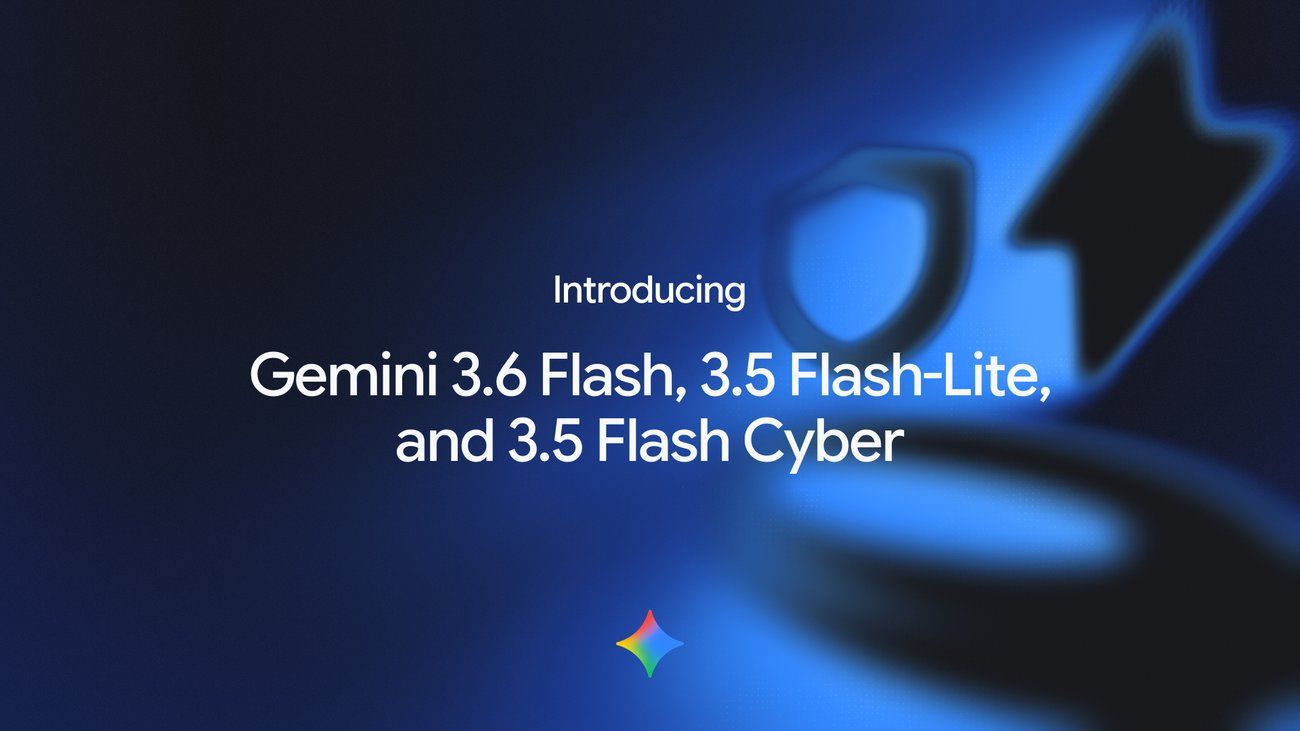
Building AI agents that reliably click buttons, fill forms, and navigate interfaces has been one of the harder engineering problems in practical automation. Until recently it required custom integrations, brittle Playwright/Selenium scripts, or specialized models. Google just changed the calculus: as of June 24, 2026, Gemini 3.5 Flash has native computer use built directly into the model.
This is not a gimmick demo. It is a meaningful shift in what is easy to build.
Computer use lets an AI model see your screen via screenshots and return specific actions — mouse clicks, keyboard input, scrolling — that get executed in a real environment. Google has now baked this directly into Gemini 3.5 Flash as a native tool parameter, available through the Gemini API and the Gemini Enterprise Agent Platform.
Previously, Google offered computer use only through a separate, standalone model. The integration into Flash means you get desktop/browser/mobile control combined with Flash's broader capabilities — long-context reasoning, low latency, and competitive pricing — all in a single model call.
Gemini 3.5 Flash can now:
Agent workflows get simpler. Previously, wrapping browser control into an agent pipeline meant stitching together separate tools — a browser automation library, a vision model, an orchestration layer. With computer use native to Flash, you describe what you want done and pass screenshots; the model handles reasoning and action selection.
Enterprise use cases open up. Google is explicitly targeting knowledge work, software testing, and long-horizon enterprise tasks. For AI agencies selling automation to business clients, this is a credible foundation — particularly with the safety features Google has added, including user confirmation prompts before irreversible actions and automatic halting when prompt injection is detected.
It is available now. The computer use tool parameter is live via the Gemini API as of June 24, though labeled a preview feature. Pricing runs through standard Gemini 3.5 Flash rates, making it cost-viable for high-volume pipelines.
Anthropic's Claude has offered computer use since late 2024, and it has been the go-to for developers building desktop automation agents. OpenAI's Operator product takes a more managed, consumer-facing approach. Google's entry differs in a key way: it is embedded directly in a fast, cost-efficient model (Flash) rather than a premium tier, making it more viable for high-throughput automation pipelines where every inference cost matters.
For no-code and low-code builders using n8n, Make, or similar platforms, native model-level computer use simplifies what is needed at the orchestration layer. Instead of maintaining a separate browser automation integration, the model itself handles the action loop.
The most immediate applications for AI agencies and automation builders are:
The safety architecture is worth noting: Google's implementation can require human-in-the-loop confirmation before sensitive or irreversible actions. For client-facing deployments, this is a meaningful trust feature.
Want to build something like this?
RAG assistants on your documents, AI agents that act in your tools, and LLM features inside your product.
See our AI Development services → or book a free 30-minute call

Our cutting-edge features simplify collaboration and creativity, making your workflow intuitive and efficient. Transform your vision into reality effortlessly with Hadidiz Flow.