

Bolt.new Just Made Its AI Coding Agent 50x Cheaper — Here's the Catch
Bolt.new's new Bolt Forge preview gives Pro users 50x more AI coding usage on open models, funded by an opt-in data deal with Arcee AI.
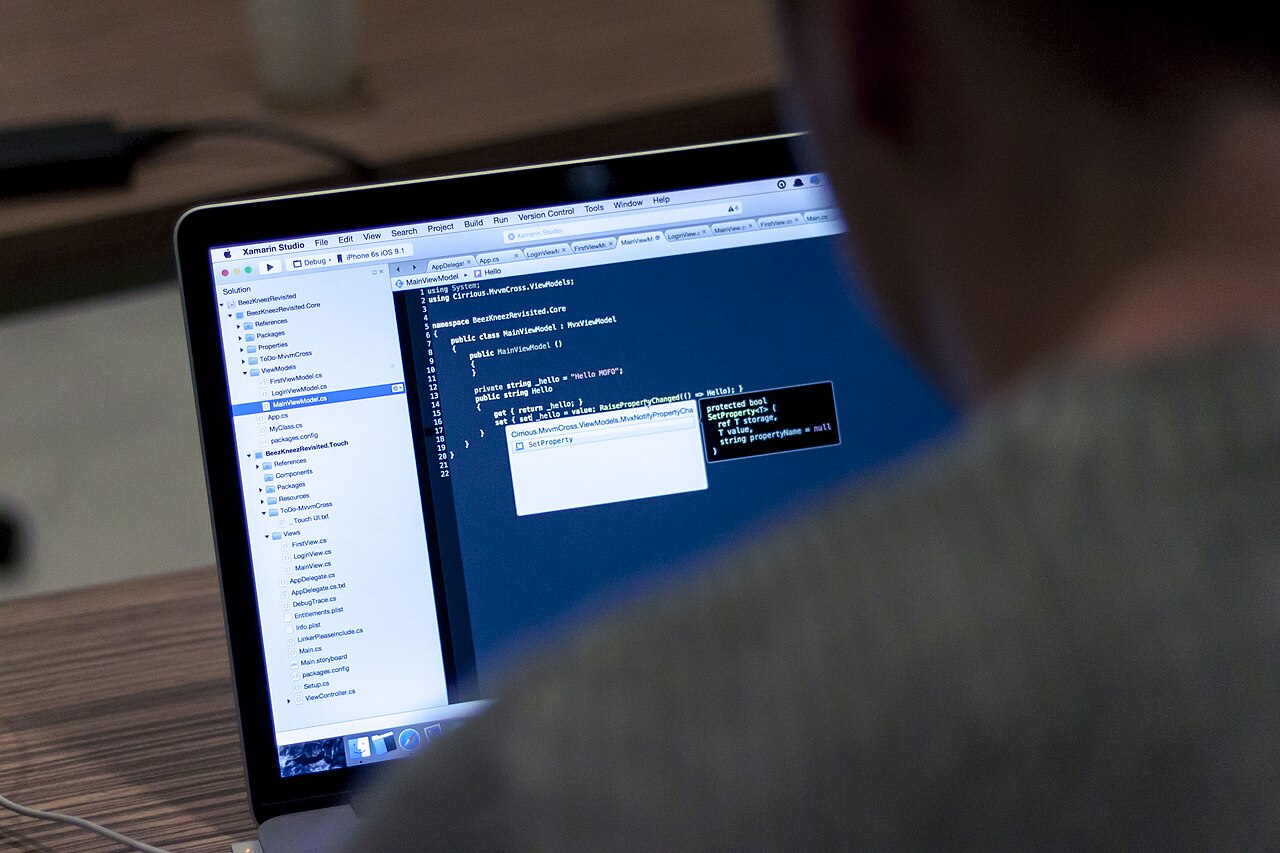
Bolt.new, one of the most widely used "vibe coding" platforms for building full-stack apps from a prompt, just launched Bolt Forge, a research preview that hands every Pro subscriber 50x more AI coding usage — for free. The trade-off is data: opt in, and your anonymized building sessions help train an open-weight AI model. For agencies and no-code builders who live inside these tools daily, this is a genuine shift in what "AI app building at scale" costs.
Bolt Forge is a new mode inside Bolt.new that runs on open-weight models instead of proprietary ones. Rather than metering every prompt against a single expensive frontier model, Forge routes work across several open models — GLM 5.3 Flash and GLM 5.3, with Kimi K3 and DeepSeek v4 Pro available as experimental options. The research preview runs from September 14 through October 14, 2026, and every individual Pro plan now includes 50x more usage on these models at no extra cost.
The mechanics are straightforward: usage shows up as a single monthly bar with no daily caps, and it simply stops at 100%. Premium modes — the proprietary, higher-cost models Bolt already offers — stay completely separate and untouched by this change.
Bolt Forge isn't just a pricing experiment — it's a training pipeline. Builders who opt in share their anonymized sessions, and that data feeds into a partnership between Bolt.new and Arcee AI, one of the more prominent Western open-weight labs and the company behind the Trinity model family. Every session logged during this first Forge training window contributes toward Arcee's effort to train a trillion-parameter-class open-weight model.
To Bolt's credit, the consent flow is built into the product rather than buried in a terms-of-service update — users see and opt into the data-sharing arrangement directly, and it's scoped only to the free-tier open-model usage, not to paid premium sessions.
For teams running AI-native build workflows — spinning up client prototypes, internal tools, or MVPs directly from natural-language prompts — usage limits are a real constraint on how much can be shipped in a billing cycle. A 50x usage multiplier, even on slightly less capable open models, changes the math on what's viable to prototype freely versus what needs to be rationed.
It's also a signal about where the broader "vibe coding" category is headed: platforms are increasingly willing to subsidize usage in exchange for training data, betting that open-weight models will close the gap with proprietary ones fast enough to make the trade worthwhile. That's a dynamic worth watching if your agency is standardizing on one of these platforms — pricing and model quality on the free/included tier could keep shifting quickly.
If your team already uses Bolt.new, Forge is worth testing on lower-stakes work first — internal tools, throwaway prototypes, client demos where perfect model behavior matters less than iteration speed. Since the open models are explicitly framed as experimental, it's reasonable to keep production-critical builds on Bolt's premium modes until Forge's output quality is validated against real client work.
If your agency handles sensitive client data or IP, treat the opt-in data-sharing decision seriously — read what "anonymized" actually covers before flipping it on for client-facing projects, and consider keeping any confidential builds on non-Forge, non-shared sessions.

Our cutting-edge features simplify collaboration and creativity, making your workflow intuitive and efficient. Transform your vision into reality effortlessly with Hadidiz Flow.