

RAG vs Fine-Tuning: How to Choose for Your AI Product (Lessons From Real Builds)
RAG or fine-tuning? A practical guide from real client builds: what each one fixes, what it costs to maintain, and when to use both.
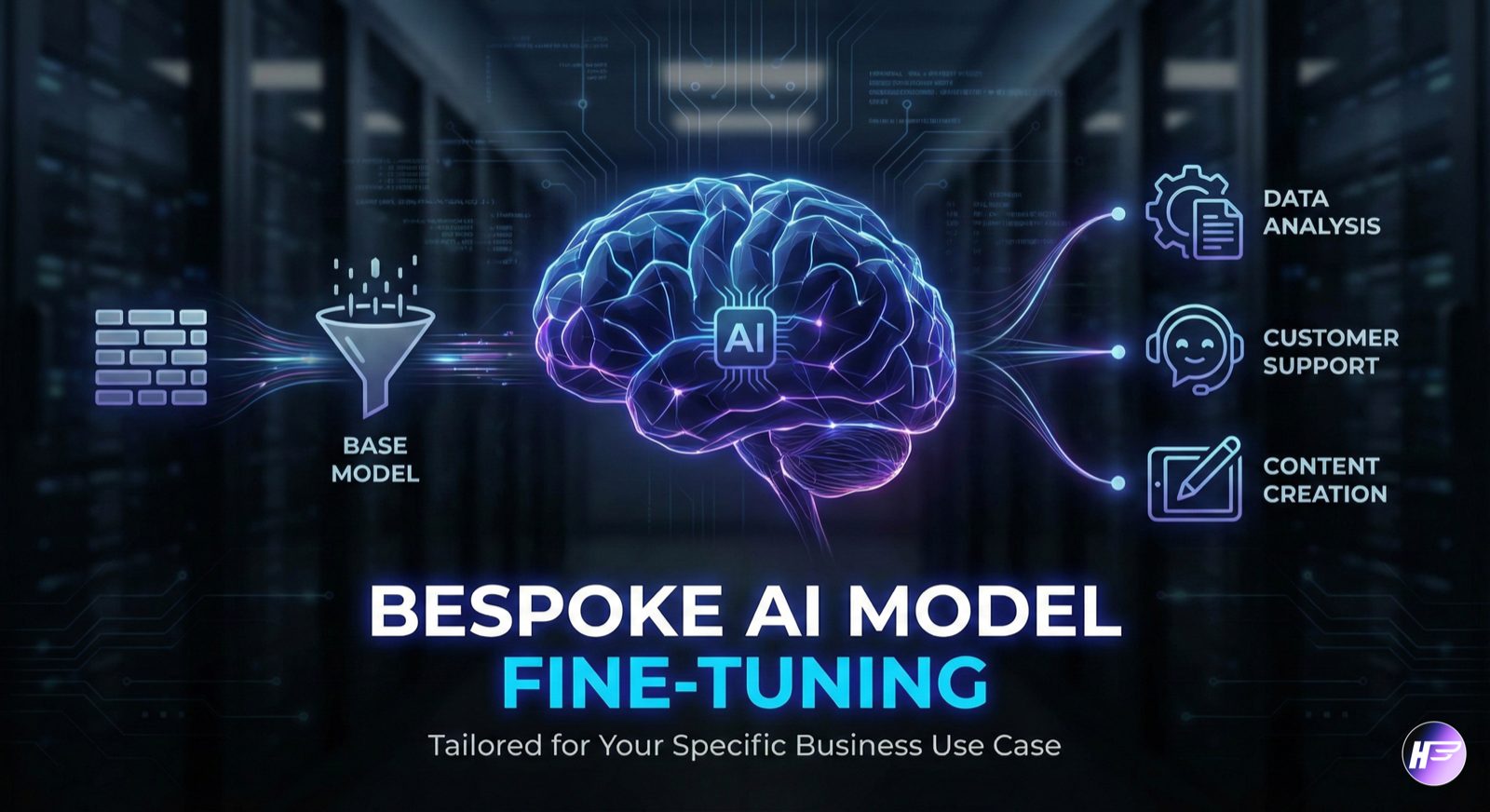
If you are adding AI to a product, one of the first technical decisions is whether to use retrieval-augmented generation (RAG), fine-tuning, or both. The two are often presented as alternatives. They are not: they fix different problems.
The short answer: use RAG when the model needs to know things (your documents, your data, anything that changes). Use fine-tuning when the model needs to behave a certain way (a consistent voice, a strict output format, a narrow task done the same way every time). Most products should start with RAG, and many never need fine-tuning at all.
Below is how we make this call on client projects, with three real builds as examples.
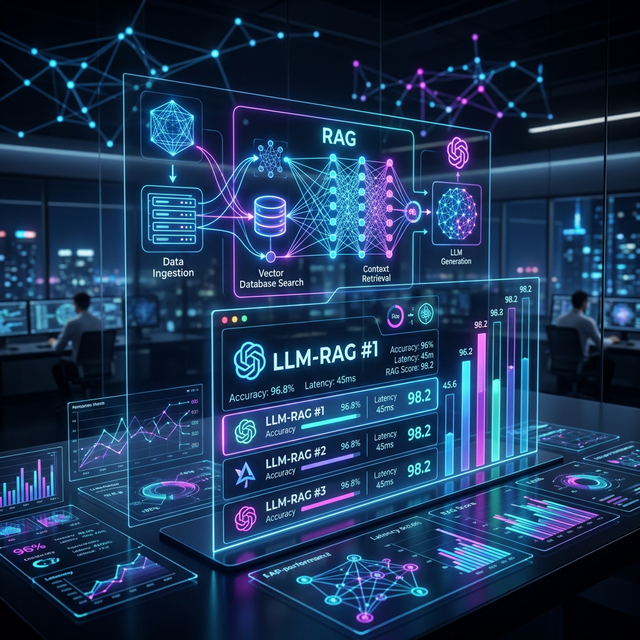
RAG keeps your knowledge outside the model. Your documents are split into chunks, each chunk is turned into a vector by an embedding model, and the vectors go into a vector database. When a user asks a question, the system retrieves the most relevant chunks and hands them to the LLM together with the question. The LLM answers from that context.
What that gives you:
If you are choosing the retrieval side, our guide to the best embedding models for RAG compares 15 of them.
Fine-tuning continues training an existing model on your own examples, so its weights change. It is good at teaching a model how to respond:
What fine-tuning is bad at is teaching a model facts that change. The knowledge is frozen at training time, you cannot easily trace where an answer came from, and every update means another training run.
Choose RAG when:
Choose fine-tuning when:
Use both when:
The client wanted a bot on X that answers movie questions from a CSV dataset, keeps a consistent persona, and stays current despite the LLM's knowledge cutoff.
That is the "use both" case. We built:
The important design decision: all three run behind one configuration switch (AI_ENV_TYPE). The client could compare local RAG, hosted RAG and the fine-tuned model on real traffic without code changes, instead of betting on one approach up front.
NorthernAI had a CustomGPT trained on proprietary documents and wanted a branded chat portal for customers. Fine-tuning was never on the table: the knowledge lived in documents, and the client did not want to hand those documents to developers.
We connected the portal to their assistant through the OpenAI Assistants API, with the assistant created in the client's own account. The biggest quality win was not a model change but a retrieval change: early answers were verbose and padded with source references, and cutting retrieval from the default 20 results to 5 made them focused. A working portal was live on the client's dev server within 24 hours of the offer being accepted.
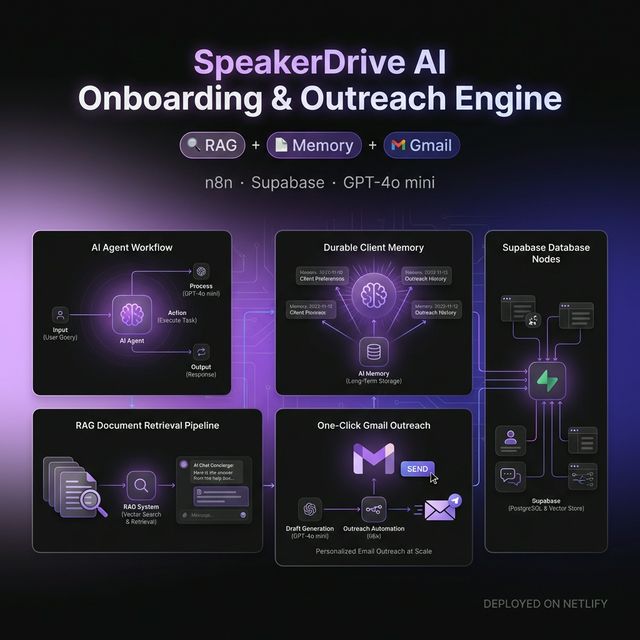
Celestix wanted to sell a repeatable RAG product: one codebase that onboards many companies, each with its own documents (PDF, DOCX, TXT, JSON and Google Drive files). Fine-tuning a model per customer would have meant a training run for every new client and every document update. RAG with a separate knowledge base per tenant made onboarding a configuration step instead.
Under load, the default 20 retrieved results triggered "maximum tokens per minute exceeded" errors. Lowering it to 16 stabilized responses. The MVP shipped in under a month.
Want to build something like this?
RAG assistants on your documents, AI agents that act in your tools, and LLM features inside your product.
See our AI Development services → or book a free 30-minute call

Our cutting-edge features simplify collaboration and creativity, making your workflow intuitive and efficient. Transform your vision into reality effortlessly with Hadidiz Flow.