
Automating Movie Q&A on X with Hybrid RAG + Fine-Tuned LLMs
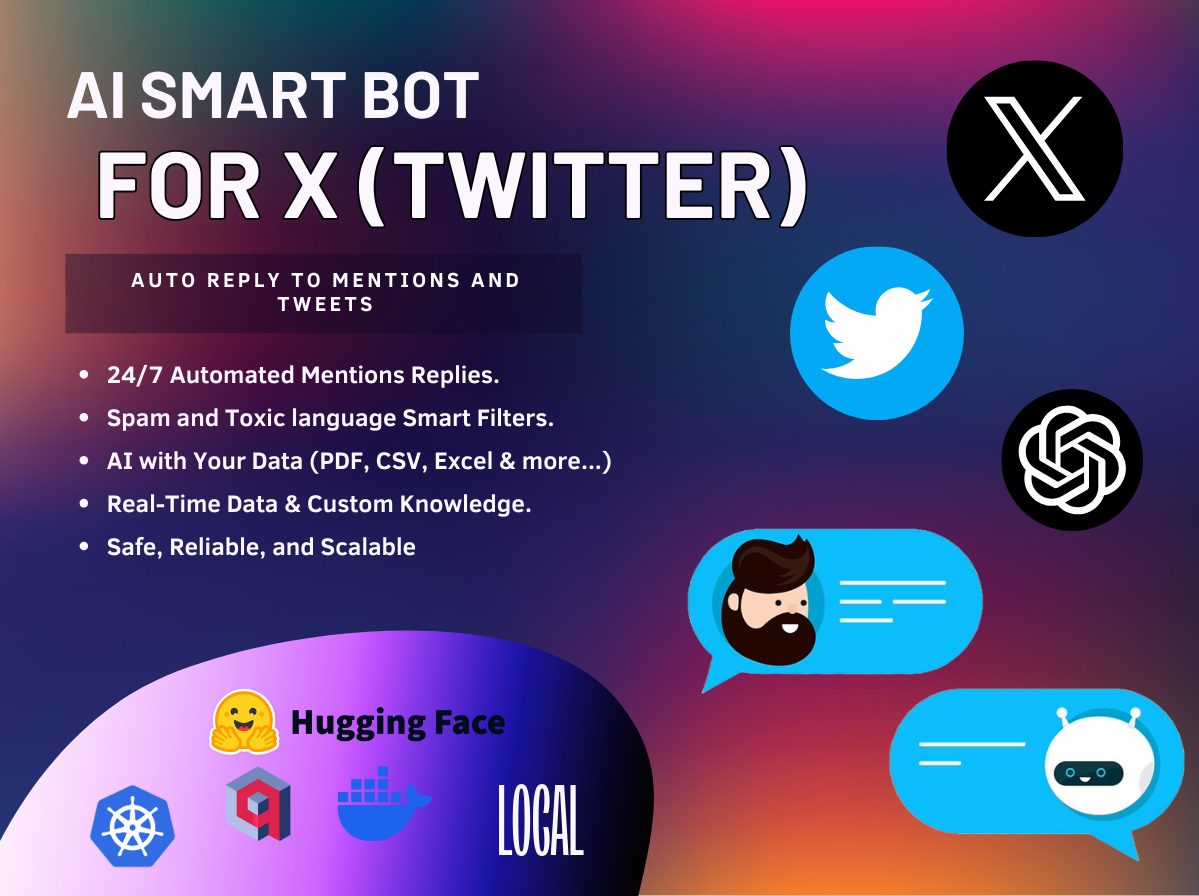
Built a production-ready X (Twitter) bot that answers movie questions from mentions using a modular AI layer that can switch between Local RAG, Hosted RAG, and a Fine-Tuned model. Delivered reliable ingestion, rate-limit resilience, and deployable endpoints for rapid iteration.
Problem Statement
The client needed a bot similar to interactive reply bots (e.g., @tomcruisebot-style) that could (1) ingest a CSV movie dataset, (2) answer questions from X mentions, and (3) stay current despite LLM knowledge cutoffs. Delivery was complicated by X API permission/rate-limit constraints, shifting deployment requirements (local → Hugging Face → Google Cloud), and a fast-moving scope that demanded production-grade modularization and environment separation.
Our Approach
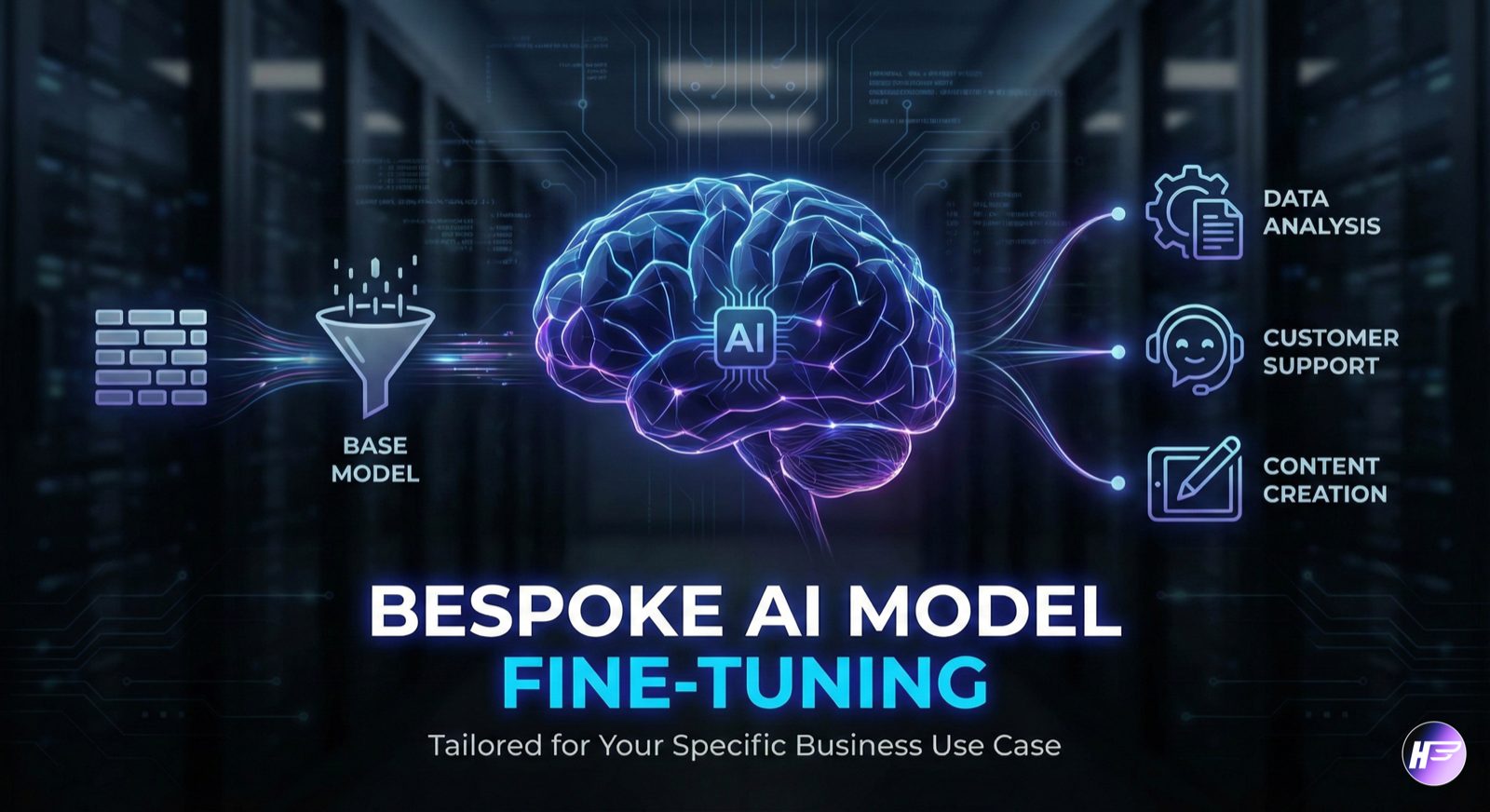
Engineered a Python/FastAPI-based bot + AI services architecture with a clean module boundary: twitter_bot for X integration and ai_models for intelligence. Implemented a RAG pipeline backed by Qdrant (local via Docker and cloud) with ingestion utilities and an API surface (/ingest, tweet endpoints, health checks). Added configuration-driven AI routing (AI_ENV_TYPE) to switch between localRAG (Ollama + local Qdrant), hosted RAG, and fine-tuned inference endpoints. Hardened the bot with mention polling, queue management, and rate-limit handling to operate within X API constraints without requiring costly streaming APIs.
Hybrid AI Runtime (RAG + Fine-Tuned + Web Search toggle)
Challenges We Solved
X API permissions, rate limits, and non-streaming architecture
The bot needed to respond to mentions, but streaming access was unavailable/too expensive and the project hit unexpected rate limits even with low usage, blocking reliable testing.
Implemented periodic mention polling with robust rate-limit handling, queue management, and safe test-run cleanup. Validated plan/usage with the client, avoided streaming API dependency, and adjusted bot logic to remain functional under restrictive limits.
RAG ingestion reliability with change management
Client required vector DB reset/reinsert behavior and later asked for incremental updates from CSV changes, plus environment-driven tuning variables.
Built a dedicated ingestion script and ingestion API endpoint (/ingest) using Qdrant collections; added CSV hashing/state tracking and later moved toward centralized state tables. Parameterized key controls via env/config and documented the ingestion flow for production use.
Modular refactor into production FastAPI framework
Initial implementation needed to be merged into a pre-existing FastAPI framework with strict structure requirements (single app entrypoint, routers, separate AI modules, multi-env files).
Refactored codebase to move AI services out of twitter_bot into a standalone ai_models module, added APIRouter endpoints (tweeting, stats, ingestion, AI), relocated settings into app/config, and introduced .env.local/.env.dev/.env.prod patterns. Added README documentation per module to speed client KT and testing.
Fine-tune deployment to Hugging Face + endpoint publishing
Client required a fine-tuned model that could be served via URL; access gating and account permissions caused repeated delays and confusion.
Delivered a working Colab fine-tuning notebook, published fine-tuned model versions to Hugging Face Hub (e.g., Rama_Movies4/Rama_Movies5), and configured Hugging Face Inference Endpoints for production-style API consumption. Guided the client through required 'Agree & access' steps for base models (Mistral/Llama) and provided the final push-to-hub block.
Project Timeline
Discovery
Aligned on a bot that monitors X mentions and replies with movie answers. Chose open-source LLM + RAG for cost control, clarified deployment expectations (Hugging Face + Google Cloud), and identified X API plan requirements for posting/replying.
Build
Delivered RAG API and ingestion pipeline (CSV → embeddings → Qdrant). Implemented mention monitoring, response posting, queue-based reliability, and rate-limit handling. Built fine-tuning workflow, published model artifacts and endpoints, and refactored into a modular FastAPI architecture with routers, env-based configuration, and documentation.
Launch
Integrated the bot into the client’s production repo, validated localRAG mode (Ollama + local Qdrant via Docker), confirmed hosted RAG/fine-tuned endpoints, and supported final testing with production X credentials (e.g., @askmoviebot). Delivered module READMEs and a high-level flow diagram for handover.
Screenshots & Visuals
Preview
Want results like this for your business?
No pressure, no pitch deck. Just a free strategy call to explore what’s possible for your specific goals — and whether we’re the right fit to get you there.
Book a Free Strategy Call